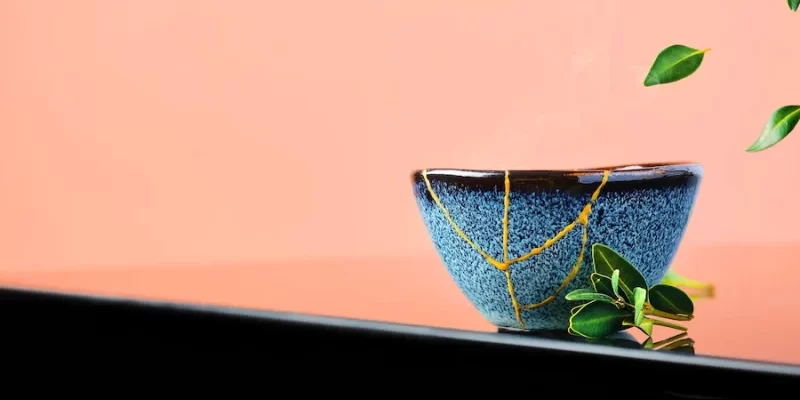
Kintsugi is an old Japanese art of repairing ceramics, but it doesn’t repair the way repair usually works. The crack is filled with gold, and becomes a visible part of the piece instead of a flaw to erase. The bowl doesn’t go back to what it was. It becomes more beautiful because of what it went through, not despite it.
I founded CitizenUp in 2018, and shut it down about a year later. At the time, I experienced that as failure in the most direct sense of the word: it didn’t last, it didn’t grow the way I had imagined. But everything I learned building that structure, connecting volunteers with NGOs, running a small team with limited means, became a clear part of the path that led to Impactedia today. The crack didn’t close as if nothing had happened. It stayed visible, owned, and it eventually became part of the shape that followed.
Mastery, one of the five elements of The Method, doesn’t mean avoiding cracks. It means knowing what you’ll do with them once they appear. Repairing by hiding produces something that looks intact but stays fragile in the same spot. Owning it, and connecting it clearly to what you built afterward, makes it a place of strength instead.
In the moment a project or a decision feels like it has failed, don’t ask how to hide it. Ask instead what the gold seam will look like later, the one that will connect this failure to what you’ll only be able to see once you turn around and look back.