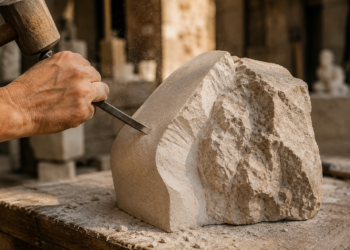

A skill doesn’t develop by spending time on it. It develops by practicing the right thing, the right way.
That’s why two people can put in the same number of hours and progress very differently. Quantity of effort matters less than its direction. Well-directed, practice progresses quickly; poorly directed, it mainly sustains what’s already known.
Why we stagnate despite our efforts
Repeating what we already know
It’s pleasant to practice what you’ve mastered: it’s comfortable and gratifying. But repeating strengths doesn’t lead to progress. It polishes what’s already good. Progress is found in discomfort, not in ease.
Practicing without feedback
Without feedback, you don’t know if you’re improving or repeating a mistake. Blind practice may even reinforce bad habits. Feedback isn’t a supplement: it’s what transforms repetition into learning.
Mastery is a practice, not a talent
In my framework, mastery is the third pillar. Quality and continuous improvement of work, without falling into perfectionism.
How to build mastery in your work
1. Identify the weakest link
What’s the part that holds you back? Focus there, not on what you’ve already mastered.
2. Practice at the edge of capability
Difficult enough to feel challenge. Total comfort doesn’t progress anything.
3. Seek direct feedback
Without an external observer, you don’t know what you can’t see yourself. Feedback is exactly that observer.
What’s next?
Developing a skill is a focused practice, not time spent. This is the heart of mastery, the third pillar.
Next step: Read the Method
Frequently Asked Questions
How many hours do I need daily?
No fixed rule. Quality matters more than quantity.
Do I need a mentor?
Not necessarily. A teacher or mentor can suffice if they give honest feedback.
What if I don’t have direct feedback?
Try recording yourself. Returning to what you did after a period gives you clarity you won’t find in the moment.