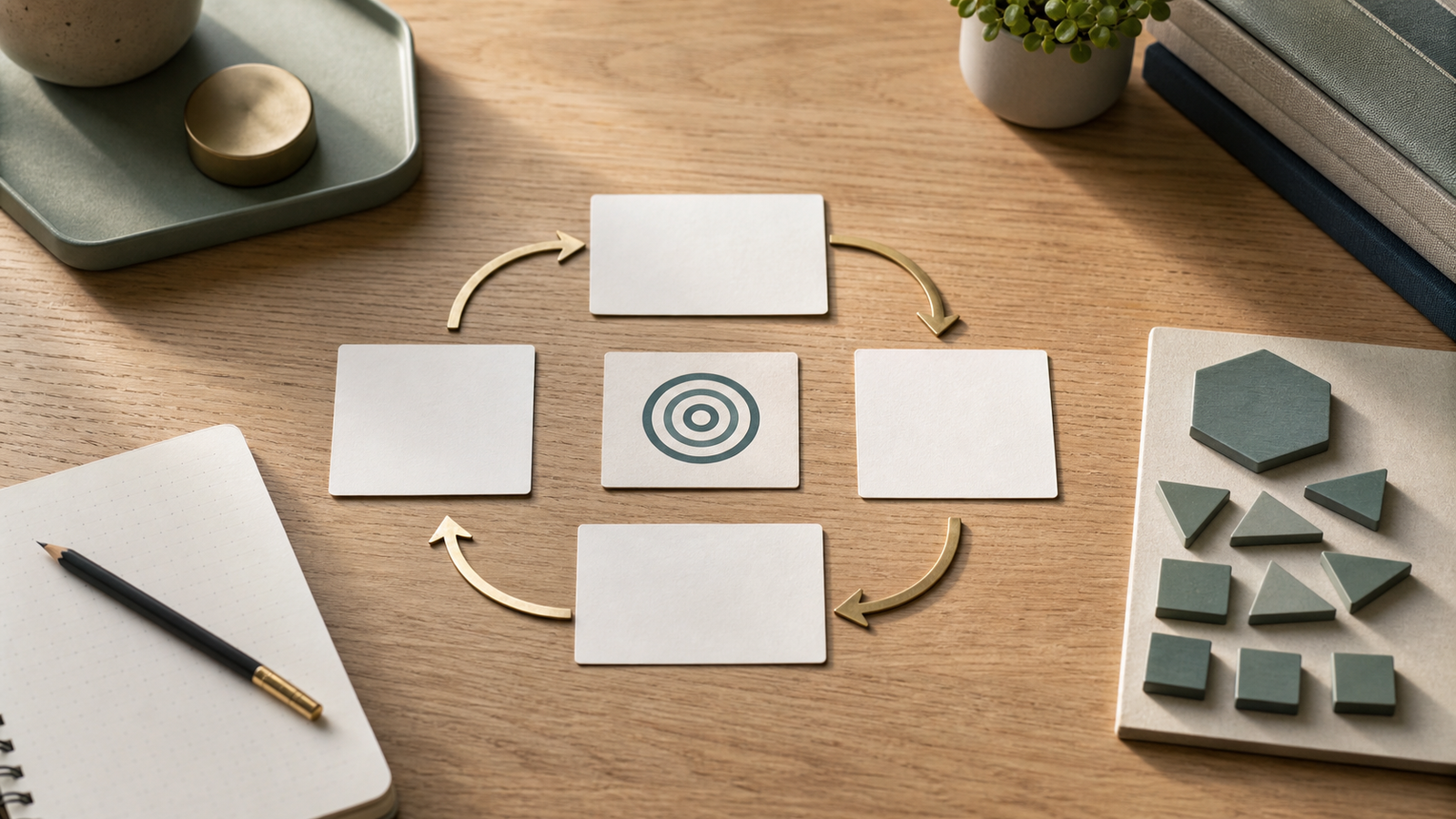
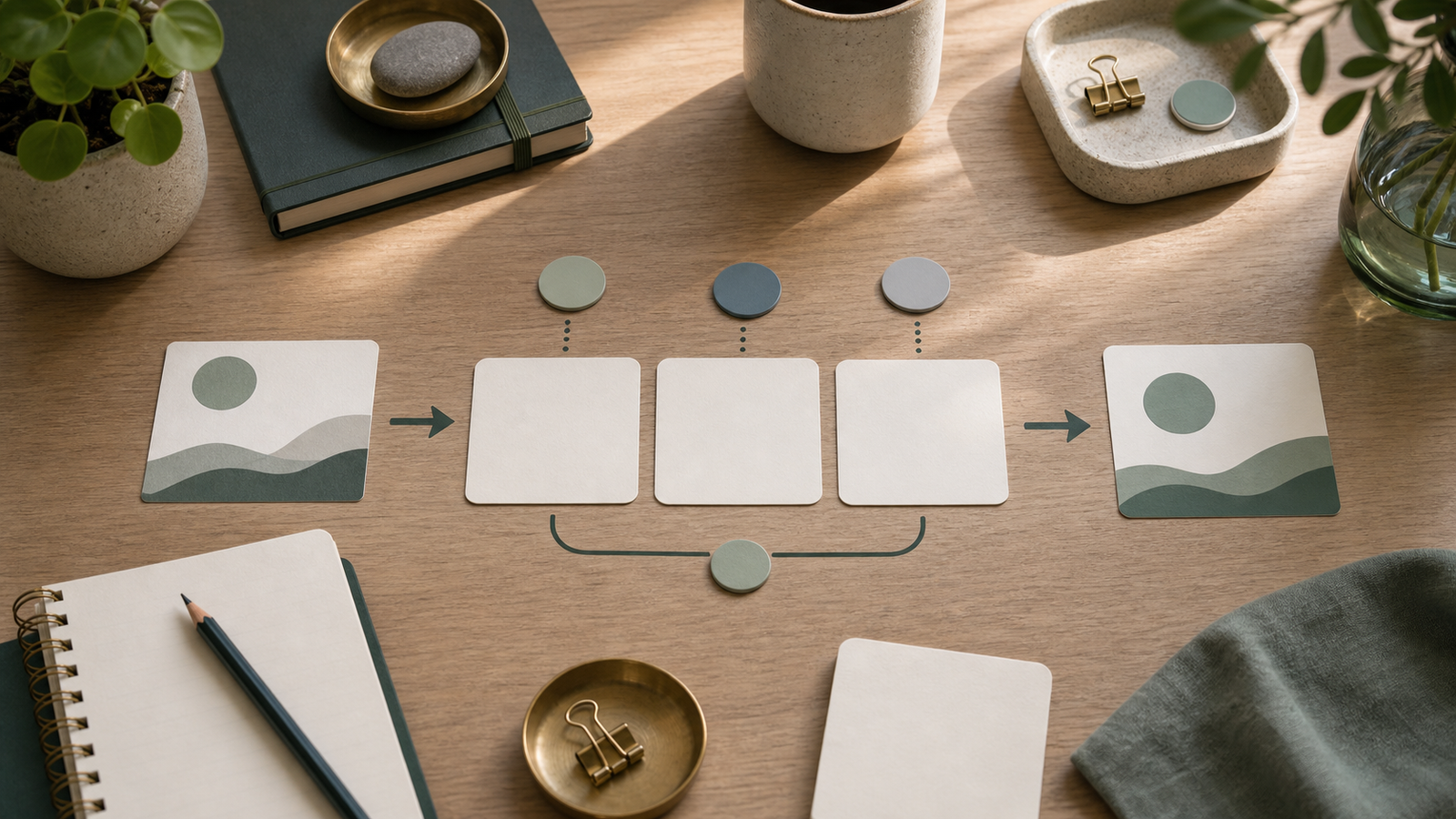
Criticism is offered if we accept it well. Received poorly, it hurts and closes. Received well, it becomes one of the most powerful engines of mastery.
The whole difference lies in a distinction: criticism is about work at a given moment, not about your worth. As long as we confuse the two, every piece of feedback looks like an attack.
Why criticism hurts
We hear it as a verdict on ourselves
“This passage is confusing” becomes, in our head, “I’m worthless.” This automatic translation transforms useful information into a threat to the ego. We defend instead of listening.
We confuse form and substance
Criticism can be poorly phrased and still carry a useful truth. If we reject the substance because of the form, we throw away the information with the tone.
Criticism, raw material of mastery
In my framework, mastery, the third pillar, is continuous improvement of work without falling into perfectionism. But we don’t improve in isolation: we need external feedback to see what we can’t see ourselves.
Received as data, criticism is exactly this feedback. It doesn’t tell you who you are; it shows you where you can improve.
How to accept criticism well
1. Separate the feeling from the fact
You have real reactions, but they’re not always accurate. Criticism says “I don’t deserve it,” while the facts say the opposite.
2. Compare with the feeling
Watch the gap. The feeling doesn’t reflect the facts.
3. Deal with feeling as a signal
Not a truth. A signal that you’re progressing.
What’s next?
Accepting criticism well is one of the fastest paths to mastery, the third pillar. Without it, you stay isolated from corrections.
Next step: Read the Method
Frequently Asked Questions
What if the criticism was unfair?
Separate the form from the substance. Even poorly-phrased criticism may carry useful information.
Does self-defense help?
Sometimes, but it closes the door to learning. Listening opens it.
How do I separate criticism from the method?
Search for the idea behind the words. A correct idea with a harsh method remains a correct idea.