
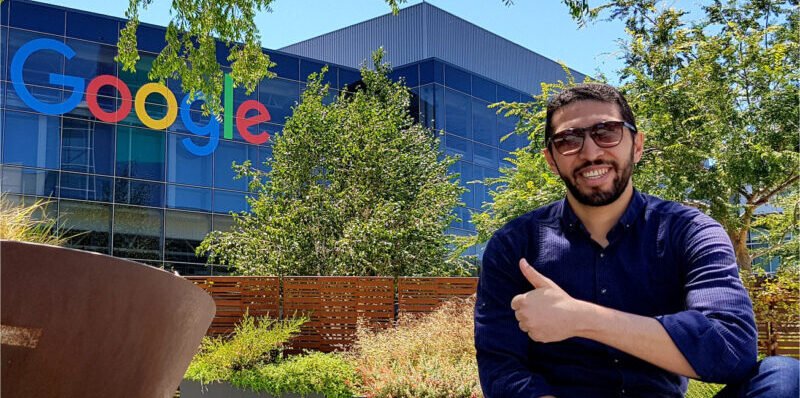
For a year and a half, I had the opportunity to live in California and work inside the world that everyone talks about from the outside. People hear “Silicon Valley” and picture unicorn startups and venture capital. I arrived there as an engineer and an entrepreneur working on something far less glamorous: measuring whether women-led social enterprises were actually creating the change they claimed to create.
I was there as a fellow at the Miller Center for Social Entrepreneurship, working on the Women’s Economic Empowerment initiative. Most days had nothing to do with the Silicon Valley imagery. They involved mapping ecosystems of women-led organizations, building monitoring and evaluation frameworks, and going through data from more than a thousand alumni social entrepreneurs to find patterns worth acting on. That is the Silicon Valley most visitors never see: spreadsheets, frameworks, and patient work behind the products that eventually reach the news.
What changed me was not the technology. It was watching how seriously people there treated the gap between what a program says it does and what it actually proves it does. Coming from a corporate background where success was a sales number, I had to learn a different kind of rigor, rigor about evidence, not just output.
A few things from that period stayed with me beyond the work itself. The first is how naturally people there separated an idea from the person attached to it. Criticism of an approach rarely felt like criticism of the person proposing it, which made it far easier to actually improve something instead of defending it.
The second is how much trust functioned as infrastructure. Agreements, introductions, even housing arrangements moved on a level of trust I had not experienced in other places I had lived or traveled, and it changed how quickly things could actually get built.
The third is closer to a correction than a lesson. The popular image of constant hustle is real, but it is only half the picture. The people I respected most there were just as serious about closing their laptops at a reasonable hour and being fully present for a hike, a surf session, or a dinner with friends. Their intensity at work and their presence outside it were not in conflict, they were the same discipline applied in two directions.
I did not come back from California with a secret formula. I came back with a sharper question, one I still ask in every project since: what would actually change if this didn’t exist, and how would I know? That question, more than anything else, is what the Bay Area left with me.