

Ever wondered why some people master a new language faster than others? The secret often lies in personalized guidance from native speakers. With online language learning becoming more accessible, platforms like italki connect learners with expert teachers worldwide.
Founded in 2007, this platform offers lessons in over 130 languages, including rare dialects like Tibetan. Whether you’re a beginner or advanced learner, flexible pricing starts at just $4 per hour. Unlike traditional apps, italki focuses on real conversations and cultural immersion.
Users report significant progress in speaking skills within five years. Beyond one-on-one lessons, the platform includes community features for practice and feedback. Ready to explore how it works? Let’s dive into tutor selection, pricing, and the lesson experience.
Key Takeaways
- Learn from native-speaking tutors and certified teachers.
- Choose from 130+ languages, including rare dialects.
- Affordable lessons start at $4 per hour.
- Improve speaking skills through personalized sessions.
- Access community features for extra practice.
What Is italki? A Language Learning Platform Overview
Connecting with native speakers transforms language learning. This platform bridges gaps by pairing students with expert tutors worldwide. Unlike apps with rigid curricula, it prioritizes real conversations and cultural immersion.
How italki Connects Learners and Tutors
The platform uses a smart matching algorithm. Filters include price, availability, and dialect preferences. Want Venezuelan Spanish? Narrow results by country.
Popular languages like Spanish have 2,000+ tutors. Chinese offers 1,000+. Even rare dialects like Tibetan or Basque are available. A user once found a Tagalog tutor for $4/hour.
Languages Offered on italki
Choose from 130+ languages, including:
- Assiniboine and other indigenous tongues
- Regional variations (e.g., Castilian vs. Latin American Spanish)
- Business or exam-focused instruction
The “From” filter helps learners target specific accents. This flexibility makes it ideal for community-driven practice.
italki Pricing: How Much Do Lessons Cost?
Learning a new language doesn’t have to break the bank. The platform offers transparent pricing, with lessons ranging from $4 to $80 per hour. Whether you prefer single sessions or bulk discounts, there’s an option for every budget.
Per-Lesson Rates vs. Package Deals
Single lessons work well for casual learners. But committing to a package saves up to 50%. For example, 10 sessions often include a 15% discount.
Teachers set their own rates, so prices vary by experience and language rarity. A Tagalog tutor might charge $8/hour, while a certified French instructor could cost $30.
Trial Lessons and Discounts
New users get three free trial lesson credits. These 30-minute sessions let you test a tutor’s style before buying full lessons.
Payments use a credit system. Bulk purchases offer extra savings—like $100 for 120 credits. Instant bookings skip scheduling for last-minute practice.
Cancellations require 24-hour notice for refunds. After each session, payments release to tutors upon verification.
How italki Works: From Signup to Fluency
The journey to fluency begins with a simple signup and a well-structured learning path. This platform streamlines the process, guiding you from profile creation to your first conversation with a tutor. Whether you’re a beginner or advanced learner, the steps are designed for clarity and ease.
Creating Your Learner Profile
Start using italki by setting up a detailed profile. Select your target language and current proficiency level—options range from “beginner” to “advanced.” This helps tutors tailor lessons to your needs.
Add goals like “travel preparation” or “business fluency” for a personalized experience. Uploading a profile picture builds rapport with instructors. The system syncs with your calendar to simplify scheduling.
Booking Your First Lesson
Browse tutors filtered by language, price, and availability. Many offer instant booking for sessions within an hour. Use the platform’s built-in calendar to schedule at your convenience.
Choose between Skype, Zoom, or italki Classroom for video calls. First-time users receive a preparation checklist, including tech requirements and topic suggestions. After each session, verify attendance to release payment and leave a review for quality control.
Types of Tutors on italki: Which Is Right for You?
Choosing the right tutor can make or break your language learning journey. The platform offers two main categories: professional teachers and community tutors. Each serves different needs, from exam prep to casual conversation.
Professional Teachers vs. Community Tutors
Professional teachers hold degrees or certifications in language instruction. They follow structured curricula, ideal for academic goals. Rates average $15–$30/hour.
Community tutors are native speakers offering conversational practice. No formal credentials are required, making sessions more affordable ($5–$6/hour). Perfect for travelers or beginners.

- Teachers community tutors: Pros focus on grammar; tutors emphasize fluency.
- Certified instructors provide progress reports; tutors offer cultural insights.
- Combine both—use a teacher for exams and tutors for daily practice.
Specialized Instructors for Exams and Business
Need JLPT or DELE prep? Certified professional teachers design test-specific drills. Business coaches teach industry jargon and presentation skills.
Filters help find niche experts. Search by “Exam Preparation” or “Business Language” to match your goals. Vetting includes profile reviews and sample videos.
Finding the Perfect italki Tutor: A Step-by-Step Guide
Finding the right tutor can accelerate your language learning journey. With 600+ Japanese tutors alone, narrowing your search requires strategy. Follow these steps to match with an instructor who aligns with your goals and schedule.
Filtering by Language, Price, and Availability
Start with the basics: language, budget, and availability. The platform lets you sort tutors by hourly rate—from $5 to $50+. Set your preferred timezone to see who’s online when you are.
For niche needs, use the “Speaks” filter to find bilingual tutors. Need Taiwanese Mandarin? Select “Chinese” and filter by country. This ensures you learn the right accent and colloquial phrases.
Evaluating Tutor Profiles and Reviews
Look beyond star ratings. Analyze reviews for patterns like “great with beginners” or “strict on grammar.” Tutors with video introductions often showcase their teaching style better.
Prioritize those with verified experience or certifications if prepping for exams. Book at least three trial lessons to compare approaches. Popular tutors fill fast—use calendar alerts to secure slots.
The italki Lesson Experience: What to Expect
Your first online language lesson can feel overwhelming—here’s what actually happens. Sessions blend structured learning with spontaneous conversation. Most students see progress within weeks when combining video meetings with consistent practice.

Video Platforms and Classroom Tools
The platform supports multiple video options. italki Classroom has built-in whiteboards and file sharing. Zoom offers screen sharing for presentations. Both allow session recordings for review.
Before your first lesson:
- Test your microphone and camera
- Use Chrome/Firefox for best performance
- Bookmark the chat translation tool
Post-Lesson Feedback and Follow-Up
Tutors often send personalized notes highlighting strengths and areas to improve. Many assign homework like:
- Voice recordings for pronunciation
- Flashcard sets for vocabulary
- Cultural immersion tasks (watch local news)
Track progress through the platform’s skill graphs. Revisit recorded sessions monthly to measure fluency gains.
Beyond One-on-One: Additional italki Features
Mastering a language goes beyond private lessons—discover tools that boost fluency. The platform offers group classes, interactive challenges, and community resources to reinforce learning. These extras transform occasional practice into consistent progress.
Group Classes and Language Challenges
Group classes cost 40% less than private sessions, averaging $15/hour. Topics range from travel phrases to business jargon. Small cohorts (3–5 learners) ensure personalized feedback.
Join 12–20 hour Language Challenges to commit to goals. Weekly milestones track speaking time or vocabulary gains. Winners earn badges and tutor discounts.
Community Exercises and Podcasts
Submit writing samples for native-speaker corrections. The community answers questions within 24 hours—ideal for grammar nuances.
Access podcast libraries like Business Japanese Accelerator or Survival Spanish. Episodes include transcripts and quizzes for active listening.
- Oxford placement tests ($30) gauge proficiency pre-lessons.
- Cultural events: Virtual cooking classes or holiday traditions.
- Teachers share whiteboard exercises for post-class review.
Pros of Using italki for Language Learning
Customized language learning thrives when flexibility meets expertise. This platform delivers both through adaptable scheduling and unparalleled access to linguistic diversity. Students gain value from tailored lessons that fit hectic lifestyles while preserving endangered dialects.
Flexible Scheduling and Diverse Rates
Early birds and night owls alike benefit from 24/7 lesson availability. A nurse working night shifts can practice Korean at 3 AM, while a student might book Spanish sessions between classes.

Compared to traditional schools charging $50/hour, tutors here offer rates as low as $4. Cancellation policies are equally adaptable—most allow changes up to 12 hours pre-lesson without penalties.
Access to Rare Languages and Dialects
Where else can you find a Cherokee tutor or learn Lombard cuisine terms? The platform hosts instructors for 12 endangered languages, including Ainu and Yiddish. One user achieved conversational fluency in Sardinian within six months through weekly sessions.
Dialect-specific learning goes beyond vocabulary. Tutors simulate market haggling in Egyptian Arabic or teach formal Keigo honorifics for Japanese business meetings. This cultural competency develops naturally through spontaneous conversations.
For language enthusiasts, these advantages create an ecosystem where rare languages survive and flexible schedules enable consistent progress.
Cons of Using italki: Potential Drawbacks
While convenient, online tutoring comes with certain challenges worth considering. Unlike physical classrooms, digital platforms face unique hurdles in quality control and environmental authenticity. Users should weigh these factors against their learning goals.
Inconsistent Tutor Quality
The platform’s open teaching model leads to varied instructor standards. About 25% of trial lessons receive neutral or negative feedback regarding teaching methods. Screening relies heavily on user reviews rather than standardized testing.
Some tutors excel at conversation but lack structured lesson plans. Others may have strong credentials but poor technical setups. The credit-based payment system also limits refund options after sessions begin.
Limited Real-World Practice Scenarios
Virtual environments can’t fully replicate spontaneous interactions like market bargaining or emergency conversations. Learners often need supplemental immersion through travel or local meetups to bridge this gap.
Tech dependencies create additional hurdles. Poor internet connections may disrupt lessons, and recorded sessions lack the pressure of face-to-face communication. Payment restrictions also require careful time management, as unused credits expire.
Despite these drawbacks, many find the trade-offs acceptable for the accessibility and affordability offered. Combining online lessons with real-life practice often yields the best results.
italki vs. Competitors: How Does It Compare?
Not all online language programs deliver the same results—here’s how key players stack up. While most platforms promise fluency, their approaches vary drastically in structure, cost, and tutor quality. Understanding these differences ensures you pick the right language learning platform for your needs.
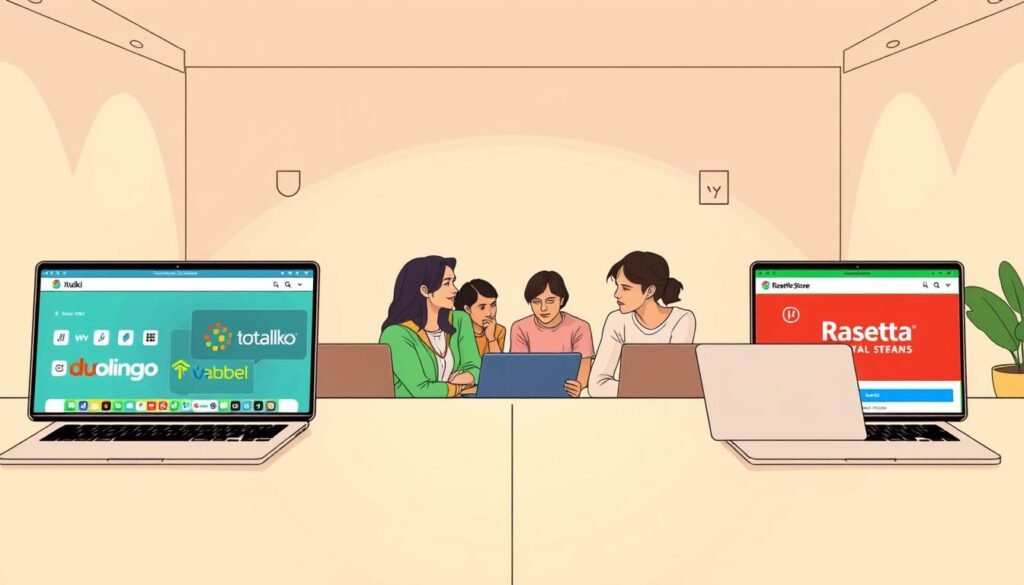
italki vs. Preply and Verbling
Preply requires bulk purchases, locking learners into packages. italki offers pay-as-you-go credits, averaging $10–15 per hour versus Preply’s $20+ minimum. Verbling only certifies professional teachers, limiting budget options.
Rare language availability sets italki apart. While Preply covers 50+ languages, italki’s 130+ includes endangered dialects. Verbling excels in corporate training but lacks community features like peer corrections.
italki vs. Duolingo and Babbel
Duolingo’s gamified app lacks live interaction—a key difference from italki’s conversational focus. Babbel’s structured courses suit beginners but can’t mimic italki’s cultural immersion.
Supplemental resources also vary. Babbel includes grammar drills, while italki integrates podcasts and writing exercises. Duolingo’s free model attracts casual learners, but fluency requires italki’s personalized feedback.
Conclusion: Is italki Worth It for Language Learners?
Language mastery requires more than apps—it needs human connection. This italki review confirms its worth for language learners seeking tailored lessons. With a 9/10 rating from long-term users, the platform excels in affordability and flexibility.
Ideal for busy professionals or dialect enthusiasts, italki pairs well with flashcard apps like Anki. Success hinges on consistent practice—aim for 2–3 weekly sessions. Minor improvements like standardized tutor training could enhance the experience.
Ready to test it? Book a trial lesson today and gauge progress firsthand. For the price of a coffee, fluency feels within reach.
FAQ
What languages can I learn on italki?
The platform offers over 150 languages, including popular ones like Spanish, French, and Mandarin, as well as rare dialects and indigenous languages.
How much do lessons cost?
Prices vary by tutor, starting as low as per hour. Professional teachers often charge more than community tutors, with discounts available for lesson packages.
Can I try a lesson before committing?
Yes! Many tutors offer 30-minute trial lessons at a lower rate so you can test their teaching style before booking full sessions.
What’s the difference between professional teachers and community tutors?
Professional teachers have formal training and credentials, while community tutors focus on conversation practice. Choose based on your goals—structured learning or casual speaking.
How do I book my first lesson?
After signing up, browse tutor profiles, check availability, and book directly through the platform. You’ll receive a confirmation with a video link for the session.
Are group classes available?
Yes! Alongside one-on-one lessons, some tutors host group classes for collaborative learning at a lower cost per student.
Can I get feedback after lessons?
Tutors often provide written or verbal feedback, and you can review their performance to help other learners make informed choices.
Is there a cancellation policy?
Most tutors require 24-hour notice for cancellations. Late cancellations may result in lost credits, so check individual tutor policies before booking.
How does italki compare to apps like Duolingo?
Unlike gamified apps, italki focuses on live interaction with native speakers, offering personalized lessons and real-time corrections for faster progress.
What if I’m not satisfied with my tutor?
You can switch tutors anytime. The platform encourages learners to read reviews and watch tutor introduction videos to find the best match.


